
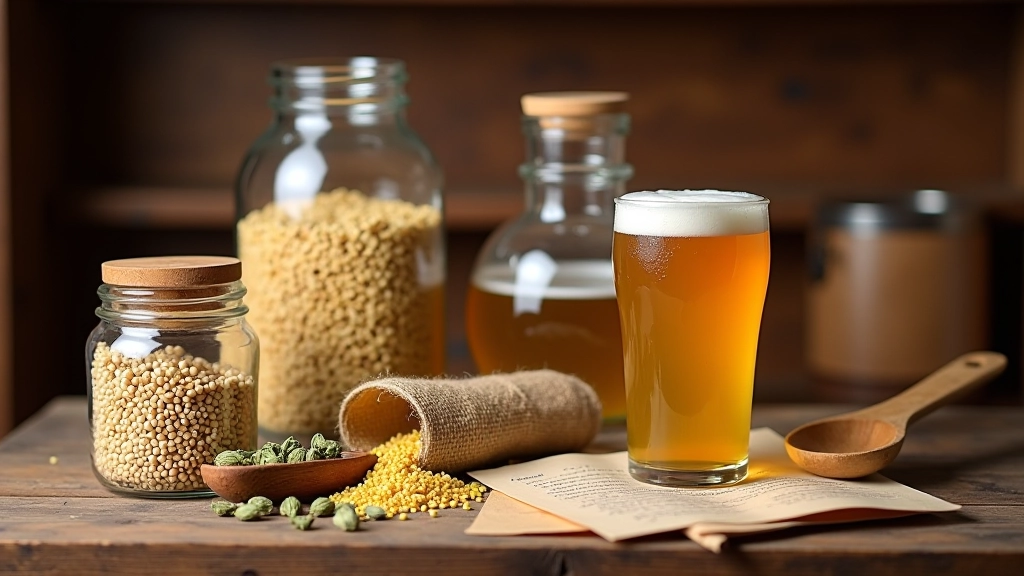
Understanding Grain Selection for Your First Brew
Malts and grains make up the backbone of any beer. We break down what each type contributes to flavor and body so you can make confident choices.
Read Guide
Small batch brewing and hop selection fundamentals for beginners in Plzeň
Whether you're curious about fermentation or want to master hop selection, we've got practical guides that walk you through every step. No equipment? No problem. We'll help you understand what you actually need.
Contact Us to Learn MoreSee the difference between guessing and knowing what you're doing
Building practical brewing knowledge one guide at a time
First guides focused on grain selection and fermentation basics for home brewers
Added detailed guides on hop flavor profiles and selection for different beer styles
Comprehensive resource for finishing your batch without stress or overcarbonation
Concentrating on practical methods for home brewers working with limited space and equipment
Clear explanations. No shortcuts. Practical information you can actually use.
We don't pretend brewing is easy. It takes patience and attention. We tell you what's genuinely hard so you're not caught off guard.
Every guide is built on real home brewing setups. You won't need expensive equipment or a chemistry degree to follow along.
We focus on the specifics that actually change your results — temperature ranges, timing, ingredient behavior. The stuff that matters.
Brewing science evolves. We update guides based on new research and community feedback. Information stays current.
Four core areas that build on each other
Understand malt types and what they contribute to your final beer
Learn variety profiles so you can choose hops intentionally
Master temperature management without expensive cooling equipment
Finish your batch confidently without overcarbonation or flat beer
What you can expect from our guides
Information grounded in actual home brewing experience
No unnecessary jargon. We explain what things mean in plain terms
Content reviewed and refreshed as brewing techniques evolve
We tell you upfront what's tricky so you can prepare
Start with these fundamentals
Malts and grains make up the backbone of any beer. We break down what each type contributes to flavor and body so you can make confident choices.
Read Guide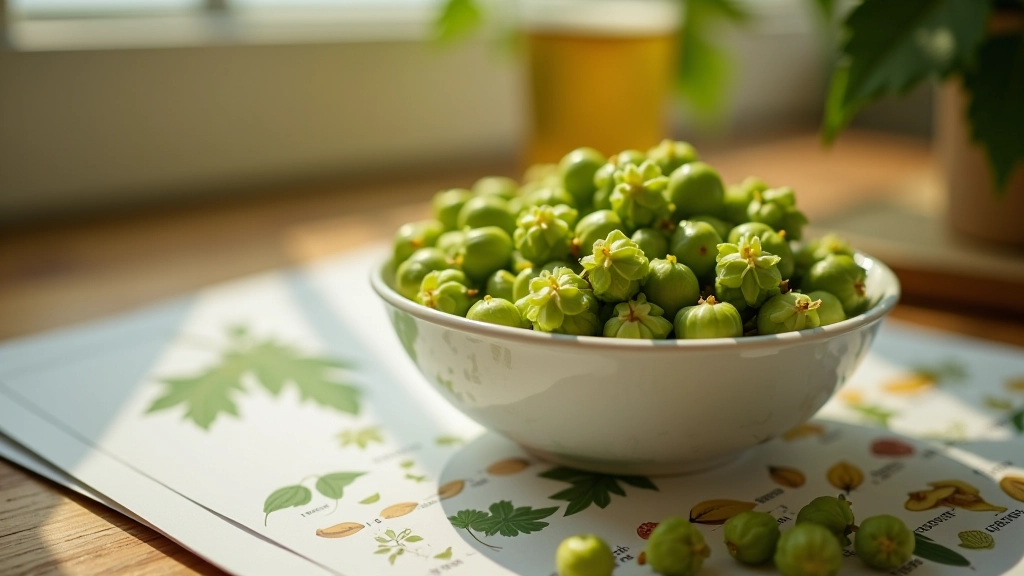
Not all hops are equal. We've tested common varieties and documented their flavor profiles so you know what to expect before you brew.
Read Guide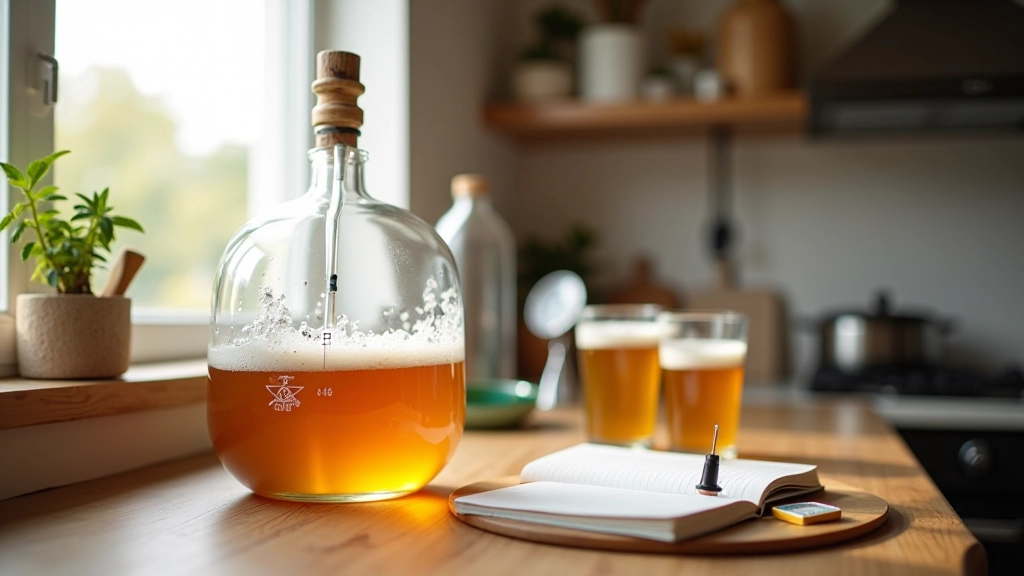
Temperature control makes or breaks your batch. Learn how to manage fermentation in a typical home setup without investing in expensive cooling equipment.
Read GuideGet answers to what beginners usually ask
You don't need everything at once. Start with basics: a pot, fermenter, airlock, and thermometer. You can add equipment as you learn what you actually need. Most of our guides focus on simple setups that don't require expensive gear.
Honestly, not much. A closet, basement corner, or even a kitchen shelf works. The key is keeping fermentation at stable temperature. We focus on small batch brewing specifically because most home brewers have limited space.
In many places yes, but rules vary by country and region. Check your local laws first. Our guides assume legal home brewing in your area.
It depends on yeast type, temperature, and beer style. Most ales ferment in 1-3 weeks, lagers much longer. We detail timing in our fermentation guide so you know what to expect and when your beer's actually ready.
Temperature affects yeast behavior dramatically. Too warm and fermentation races through too fast. Too cold and it stalls. Even 5-10 degrees matters. This is why we focus on temperature control in our guides — it's the single biggest factor in consistency.
You can, but precision helps. Not because brewing is complex, but because knowing your measurements lets you repeat what works. Our guides emphasize the measurements that actually matter and which ones are flexible.
Absolutely. Different hops bring totally different flavors — citrus, pine, floral, earthy. That's why we created a whole guide to hop varieties. Understanding what you're getting before you brew makes selection intentional instead of random.
Each malt type brings different things — color, body, sweetness, flavor. Our grain selection guide breaks down what's actually happening so you're not just following a recipe blindly.
We use cookies to improve your experience on our site. By continuing to browse, you agree to our use of cookies.