
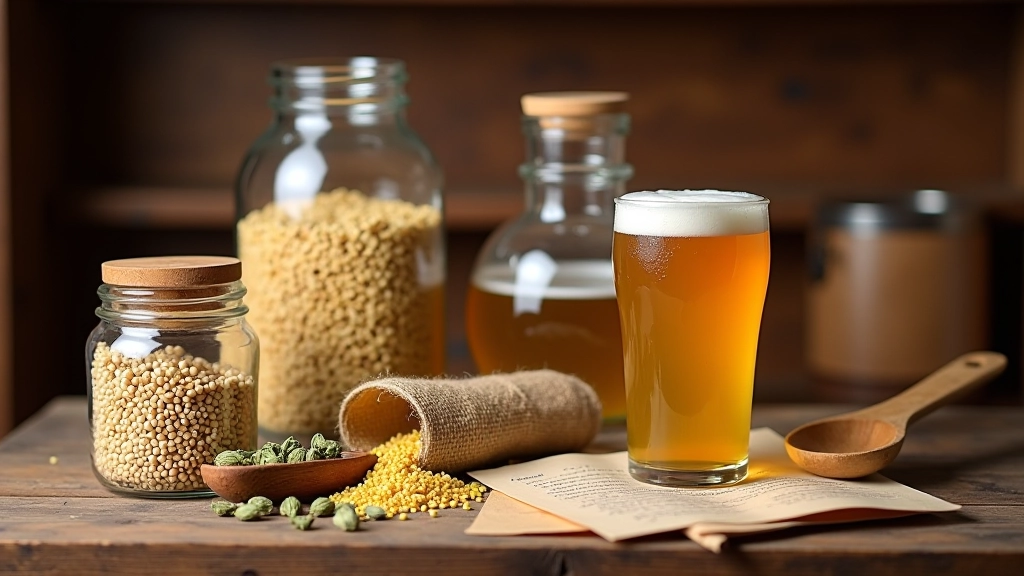
Understanding Grain Selection for Your First Brew
Malts and grains make up the backbone of any beer. We break down what each type contributes to flavor, body, and color.
Not all hops are equal. We've tested common varieties and documented their flavor profiles so you know what to expect before you brew. From bright citrus to earthy pine, each hop tells a different story in your beer.
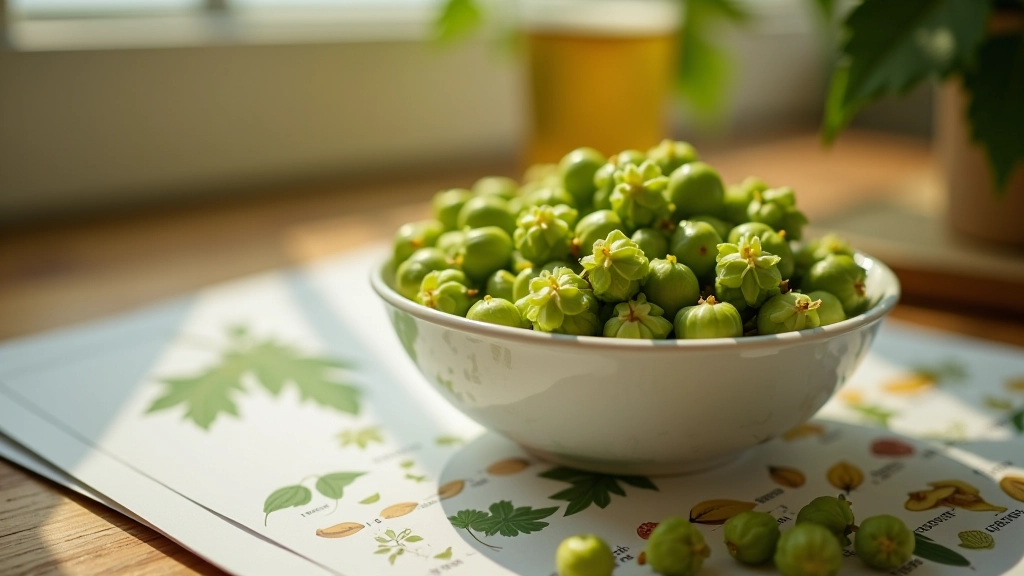
Hops are what make beer taste like beer. They're the ingredient that defines everything from that first sip to the lingering finish. Pick the wrong variety and your pale ale tastes like pine sol. Pick the right one and suddenly you've got something worth sharing with friends.
The thing is, hop profiles aren't mysterious or complicated. Each variety has recognizable characteristics — citrus, floral, earthy, herbal — and once you understand them, you'll know exactly what you're getting into before fermentation even starts. We've brewed with dozens of varieties, and the differences become obvious pretty quickly.
The flavor compounds in hops are most volatile during the last 15 minutes of the boil. Add them late if you want that bright, fresh character to shine through in your finished beer.
Cascade is the gateway hop. It's what got American craft brewing started in the 1970s, and it's still everywhere because it works. You'll taste grapefruit, some pine, a hint of floral. It's forgiving to work with and doesn't require perfect conditions to shine. Most first-time brewers use Cascade, and there's a good reason for that.
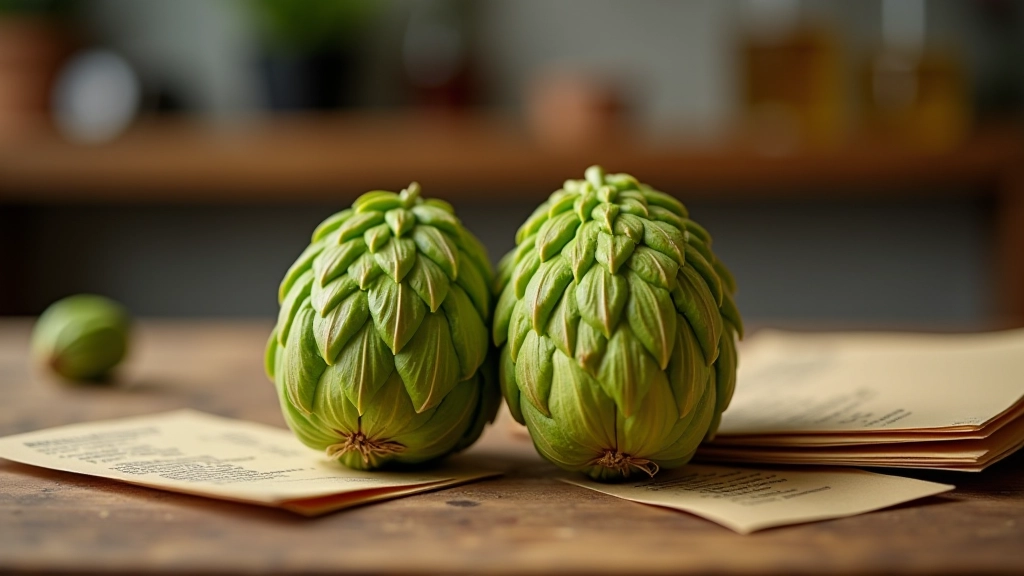
Centennial is Cascade's more assertive cousin. If you want that citrus character to hit harder — think orange zest and marmalade — this is your variety. It holds up well in high-IBU recipes and doesn't fade into the background. Both varieties are reliable, affordable, and available year-round at any decent homebrew shop.
Individual learning outcomes vary from person to person. Your results will depend on water chemistry, fermentation temperature, and yeast strain. These flavor descriptions are based on standard brewing practices, but your own batch may taste slightly different — and that's part of the adventure.
Saaz is the heritage hop. It's been grown in Bohemia for centuries and it defines pilsner. The flavor is subtle — herbal, slightly spicy, with just a whisper of lemon. It's not aggressive. It doesn't announce itself. Instead, it creates a clean, refined backdrop that lets the malt and yeast do their thing.
Hallertau works similarly. It's earthy and slightly floral, with almost no citrus. If you're brewing a traditional lager or a delicate pale ale, Hallertau gives you that old-world character without overpowering anything. Both varieties are perfect if you want hops that enhance rather than dominate.
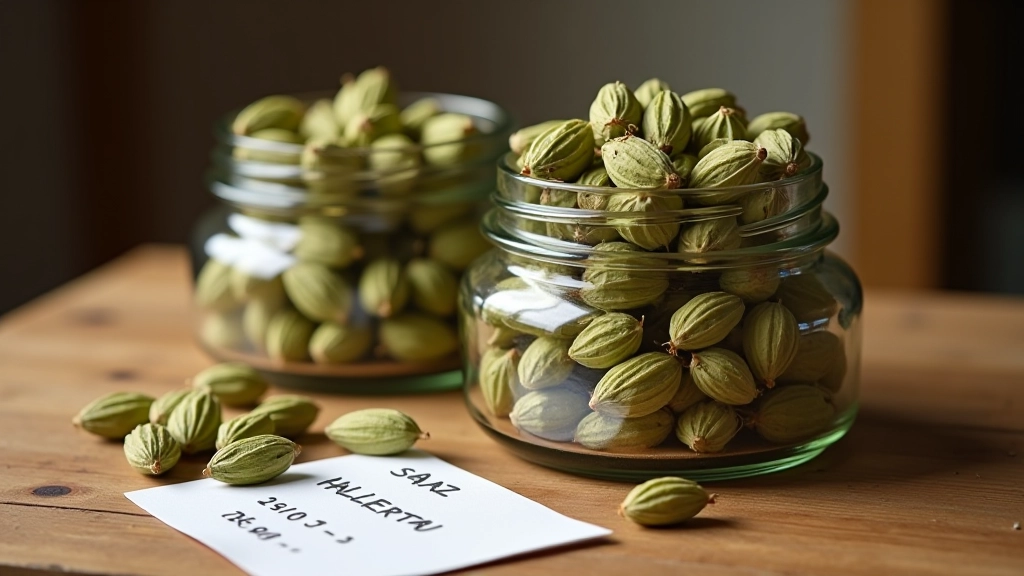
These are noble hops, meaning they're low in alpha acids. You won't get much bitterness from them even in a 60-minute boil. Use them primarily for flavor and aroma additions, or go with a larger quantity if you need bitterness. They're delicate, so don't overthink it — 15 to 20 IBU from noble hops is usually enough for a clean foundation.
Citra changed everything when it arrived in the 2000s. It's aggressively tropical — lime, grapefruit, passionfruit, sometimes even coconut. One ounce of Citra in a 5-gallon batch is noticeable. Two ounces and it dominates. You'll find it in every modern IPA and pale ale because brewers can't resist that punch of flavor.
Mosaic is newer but equally intense. It brings blueberry, stone fruit, and pine together in one hop. It's complex and interesting, which means it works well in small quantities where it can develop properly. Both are high in alpha acids, so they contribute bitterness as well as flavor — plan accordingly.
These varieties shine in hoppy styles — IPAs, pale ales, hazy beers. Add them late in the boil (5-0 minutes) or in the whirlpool to preserve their aromatic qualities. Dry hopping with 0.5-1 oz per 5 gallons gives you maximum impact without overwhelming the beer.
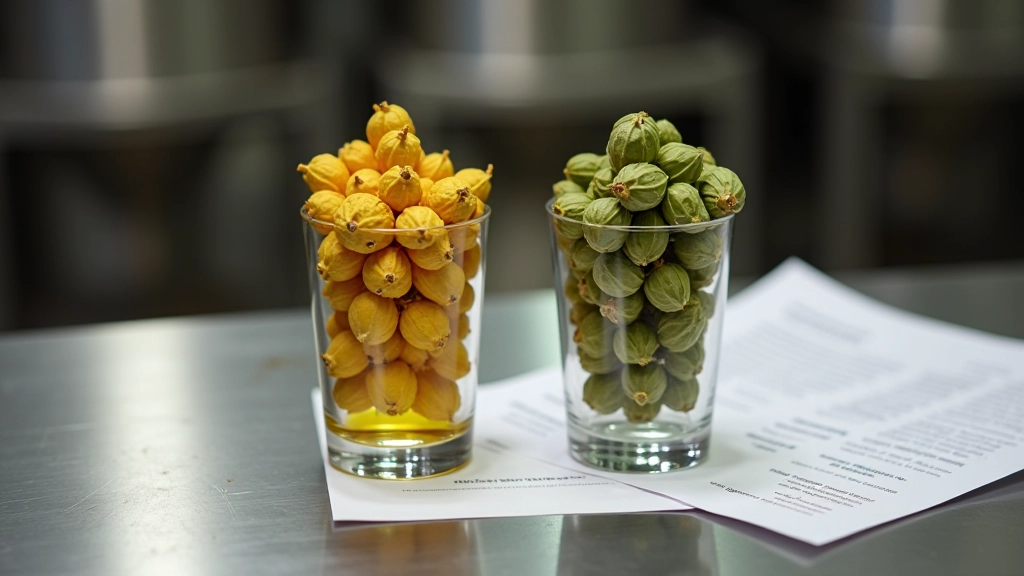
Here's the honest truth: you're going to brew with the wrong hops at some point. You'll read a recipe, grab what the shop has in stock, and end up with something unexpected. That's fine. It's how you learn what you actually like.
Start with a hop you recognize — Cascade if you've had pale ales, Saaz if you love pilsners. Brew it straight, taste it, understand what that variety brings to the glass. Then try something adjacent. From Cascade, move to Centennial or Amarillo. From Saaz, try Hallertau or Tettnanger. Build your knowledge gradually, and you'll develop instincts about what works.
Most importantly, don't overthink it. Hops are forgiving ingredients. Even a mediocre hop selection makes drinkable beer. But when you nail it — when you find the hop that makes your beer sing — you'll understand why this part matters so much.
Grapefruit, pine, floral
Orange, herbal, assertive
Herbal, spicy, refined
Earthy, floral, subtle
Tropical, lime, intense
Blueberry, stone fruit, complex
Malts and grains make up the backbone of any beer. We break down what each type contributes to flavor, body, and color.
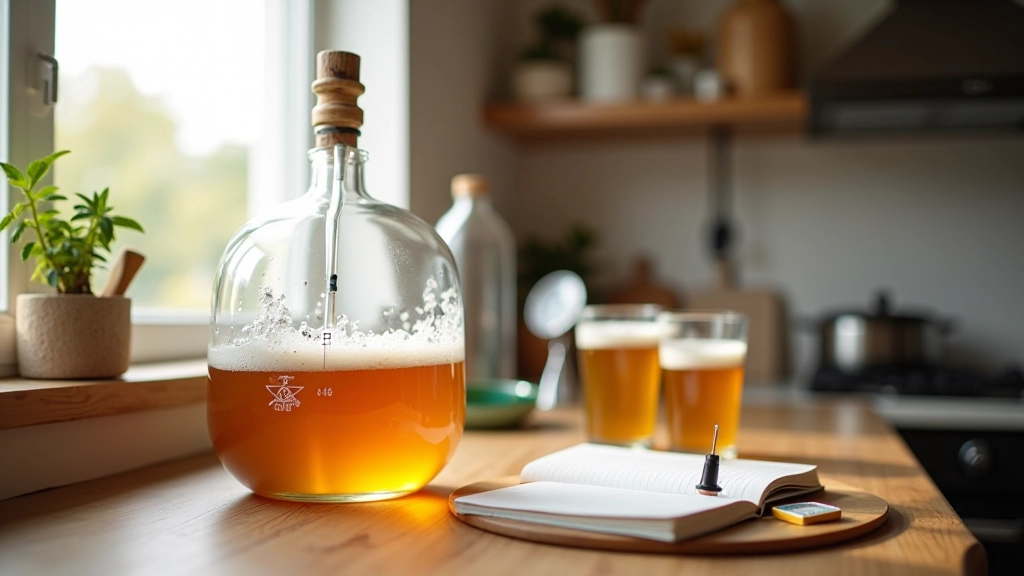
Temperature control makes or breaks your batch. Learn how to manage fermentation conditions for consistent results.
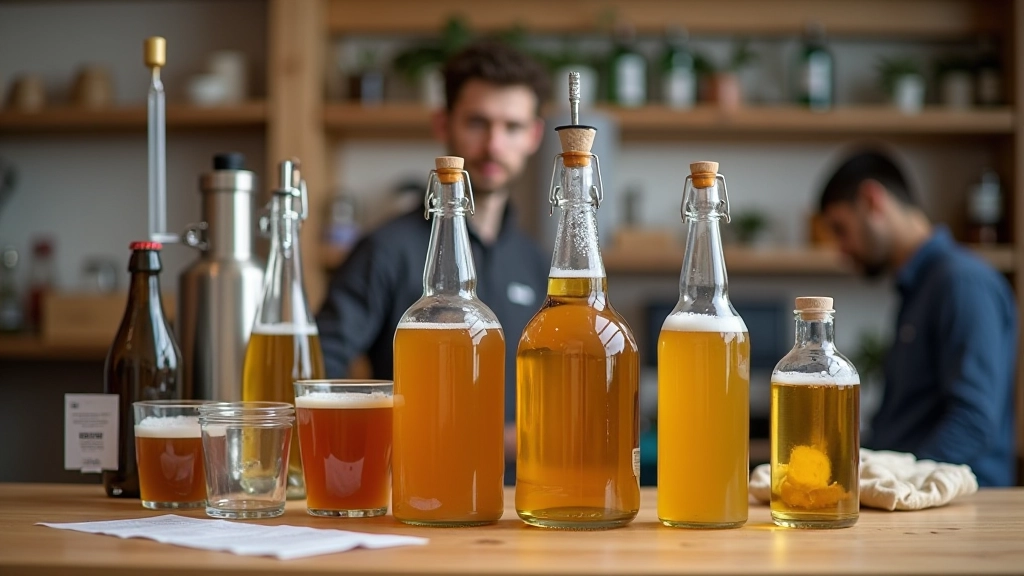
The final steps are easier than you think. We walk through bottling, capping, and carbonation methods.